Carbeth Plants
✓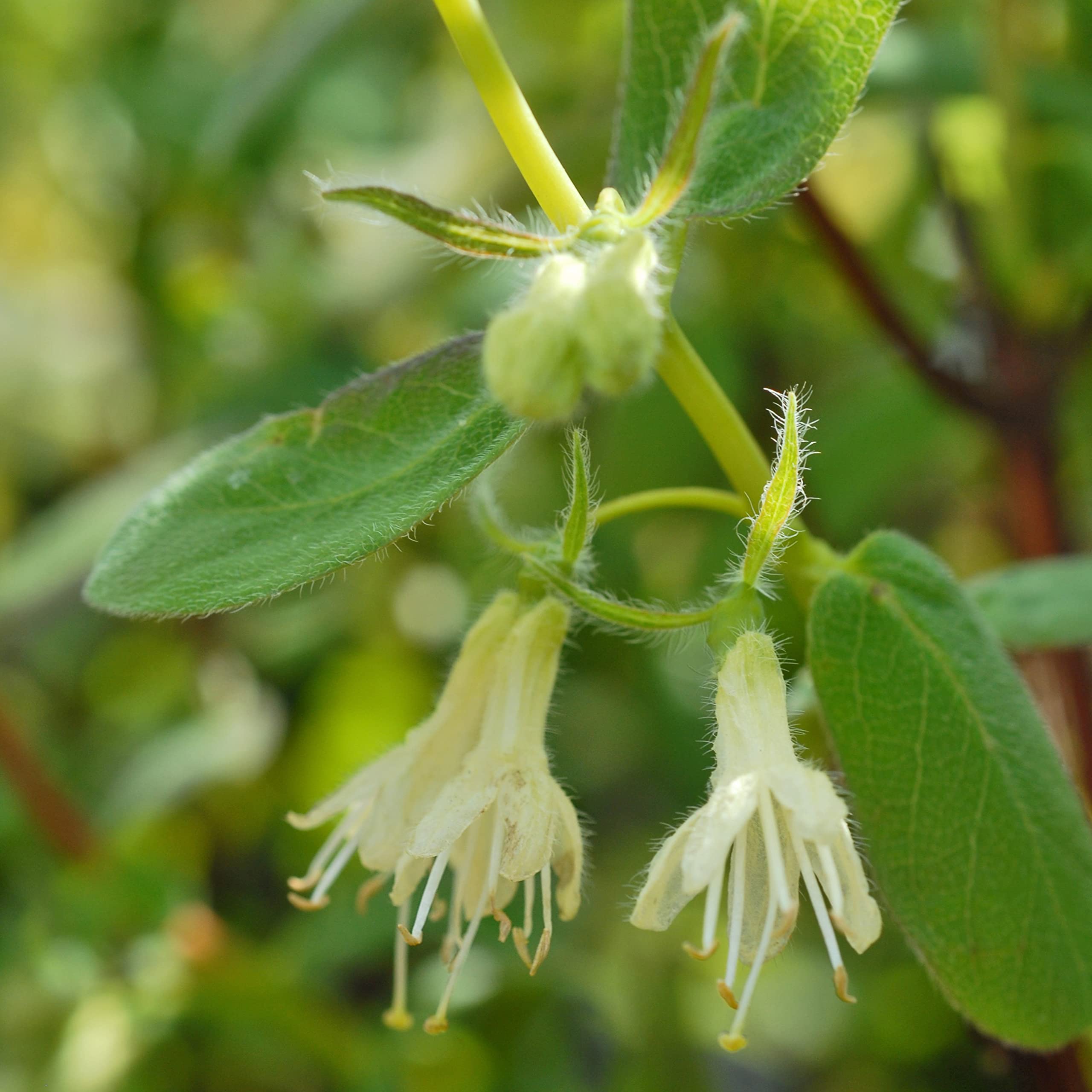
Lonicera kamtschatica ‘Myberry Bee’ is one of the tastiest varieties, boasting prolific, high yields of large oval Honeyberry fruits. As an early season producer, delicate cream-yellow flowers with a beautiful fragrance are followed by handfuls of tasty deep blue fruits as early as late spring or early summer. First picked Honeyberries will provide a taste like a hybrid between a raspberry and a blueberry. The fruit produced are suitable for hand picking for direct consumption straight from the bush or can be used to make delicious preserves, cakes and pies. Attracting wildlife, the berries are a source of food for birds and other animals. A very hardy variety which can grow without much encouragement in cold temperate climates, coping with frost well. Honeyberries are self-fertile, however planting multiple bushes together will enhance pollination and increase crop production. Sometimes known as a ‘superfruit’, Honeyberries are high in both antioxidants and vitamins. Height: 1.5m (5’). Spread: 1.2m (4’). Caution: Not all berries of the Lonicera family are edible. Plant height and spread is seasonal therefore we list by pot size rather than a defined plant size. The height and spread of the plant delivered will vary depending on the season, meaning images are an indication only. Growing Advice - Grow in any moist well-drained soil in full sun. Honeyberries are self-fertile but planting them near one another will improve pollination and increase your crop. More Information - Feed and water regularly throughout the growing season while young plants become established. Honeyberries should be harvested in June as soon as they are ripe. This variety will begin to produce a worthy crop from the 2nd or 3rd year after planting. Initially, only minimal pruning is required for the first three years. Thereafter, prune annually after the fruits have been harvested.
Customer reviews
10 Trustpilot reviews total, with 2 shown at a time.
I wrote to Bigamart's customer support and they accompanied the process of reshipping the item until it finally arrived. I felt a genuine effort to solve the problem till it was finally solved.
The package was here in Australia from England in a few days — so quick! Something was missing and they refunded it straight away. Pretty happy with these guys.
You might also like